Commercial Plumbing in Boca Raton: What Businesses Call About Most
By the Boca Raton 24/7 Plumbing team · September 17, 2026
Running a business means plumbing problems hit differently than they do at home. A clogged toilet at your house is an inconvenience; a clogged toilet at a restaurant during a Friday dinner rush is lost revenue and unhappy customers. Here's what actually generates the most commercial plumbing calls in Boca Raton, and what's worth knowing before something breaks at your own property.
Restaurants: grease is the recurring theme
Grease trap maintenance is the single most common recurring commercial plumbing need for food service businesses. Every restaurant's grease trap needs regular pumping, and how often depends heavily on volume, a high-turnover kitchen fills a trap faster than a smaller operation. Skipping scheduled pumping doesn't just risk a backup, it can also mean sending grease into the municipal sewer system, which most municipalities regulate specifically because of the real infrastructure problems grease causes downstream when it accumulates in shared lines.
Beyond the trap itself, grease-heavy kitchen lines benefit from periodic hydro jetting on a proactive schedule rather than waiting for a full backup, since a slow drain during service hours is exactly the kind of problem that costs a restaurant real money in the moment.
Commercial-grade water heaters serving a kitchen also work harder than a residential unit, running near-continuous demand through service hours rather than the intermittent use pattern a household sees. That shortens their practical service life somewhat compared to the same model in a lower-demand setting, worth factoring into how proactively you consider replacement rather than waiting for a failure during peak service.
The property-management angle: work orders and access
Commercial properties often come with a layer of complexity residential calls don't have: work order systems, tenant coordination, and sometimes landlord approval before work can proceed. A property manager calling on behalf of a tenant, or a commercial tenant needing landlord sign-off before a repair, both add steps that are worth anticipating rather than discovering mid-emergency. Having a clear understanding of who authorizes what, before something breaks, speeds up response when it actually happens.
Offices and retail: less dramatic, still costly
Multi-fixture restrooms
More fixtures means more failure points, and a broken restroom in a customer-facing retail space is a visible problem that needs fast, professional resolution.
Commercial water heaters
Larger units serving more people fail with bigger consequences, no hot water affects every employee or customer, not just one household.
Backflow prevention
Required testing that's easy to let lapse until it becomes a compliance issue during an inspection or audit.
Why backflow testing matters more than people think
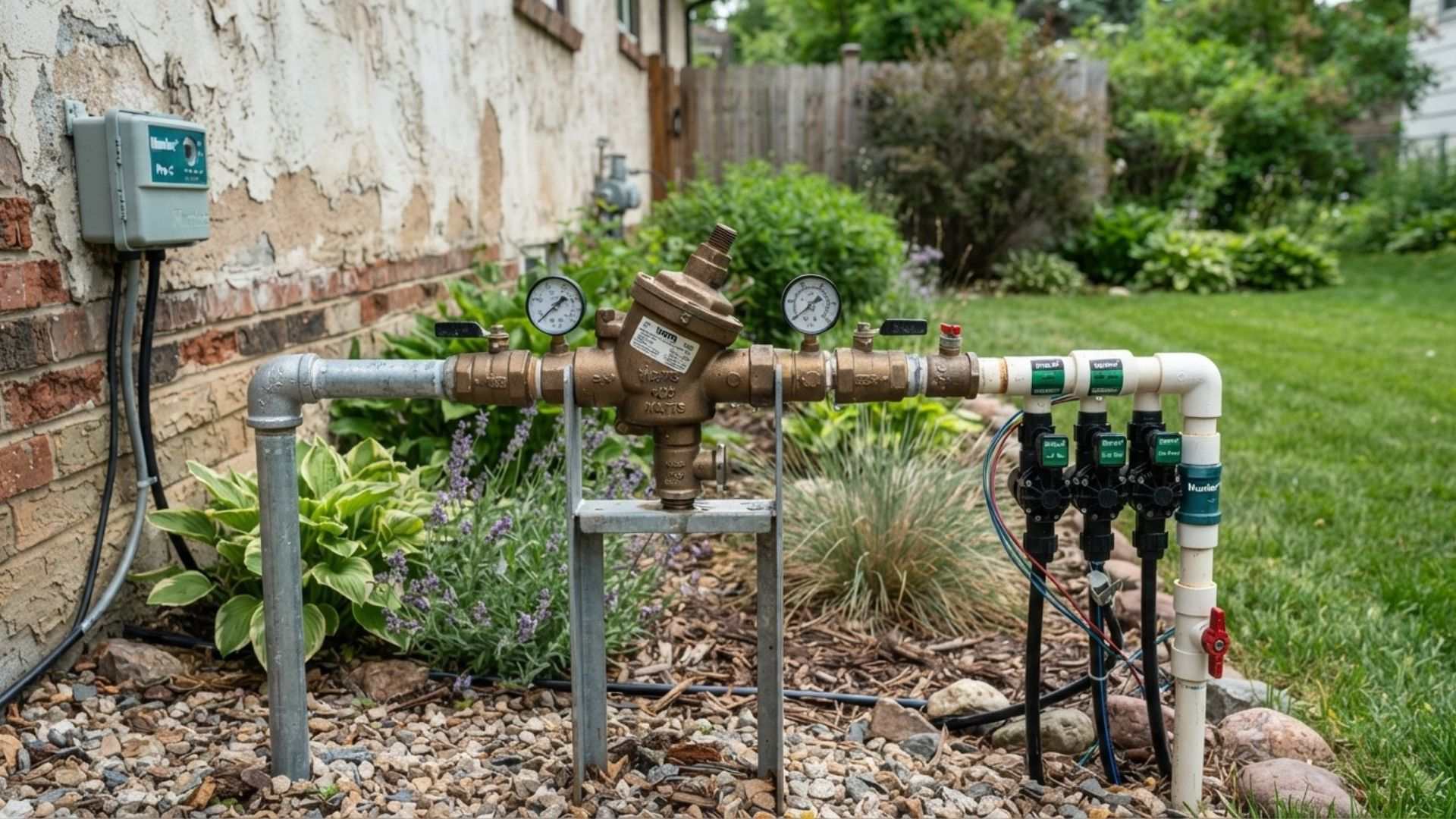
A residential backflow issue is mostly a private inconvenience. A commercial backflow failure can contaminate a shared water system, which is why Florida's plumbing code, based on the International Plumbing Code (IPC), holds commercial properties to stricter backflow prevention standards than residential ones. Annual testing is typically required, and letting it lapse creates real liability beyond just a plumbing problem, it's a compliance issue that can affect a business's standing with local authorities and, in some cases, its insurance coverage as well.
What to check on your business's plumbing regularly
- • Confirm your grease trap's pumping schedule matches your actual kitchen volume, not just a default calendar reminder.
- • Keep documentation of backflow testing dates on file, since this is often requested during inspections.
- • Note the age of your commercial water heater; a unit nearing the end of its service life during a busy season is a preventable emergency.
If you're leasing, know who's responsible for what in your lease, plumbing repair responsibilities between landlord and tenant vary and matter when something breaks unexpectedly. Sorting this out before an emergency saves real confusion in the moment.
Scheduling around business hours
Most commercial plumbing work can be scheduled around your operating hours rather than during them, early morning, evening, or overnight for a retail space, between meal services for a restaurant. This costs somewhat more than daytime scheduling but avoids the larger cost of lost business during a disruption. For genuine emergencies, a burst pipe, a complete restroom failure, a business simply can't wait for a convenient time, and 24/7 response matters as much for a commercial property as a residential one.
Planning ahead for scheduled maintenance, grease trap pumping, backflow testing, water heater checks, is where the after-hours cost is easiest to justify, since these are predictable events you can plan around rather than emergencies you're reacting to.
Property managers: one point of contact helps
If you manage multiple properties, coordinating plumbing service property by property, vendor by vendor, adds unnecessary overhead. A standing arrangement with one provider across a portfolio means faster response, consistent documentation, and one relationship to manage instead of several vendors with different processes. This is worth setting up proactively rather than scrambling to find someone new every time a different property has an issue.
A single provider familiar with your properties also builds real institutional knowledge over time, which fixture ages, which building has original 1980s plumbing versus a recent renovation, which locations have historically needed more attention. That context genuinely speeds up diagnosis on future calls compared to starting fresh with an unfamiliar vendor each time a new issue comes up.
Ready to talk through your property's needs?
Our commercial plumbing page covers grease trap service, backflow testing, and standing service arrangements in more detail. For a kitchen dealing with recurring grease buildup, hydro jetting on a scheduled basis is often the more cost-effective long-term approach. This comes up regularly with businesses along Delray Beach's Atlantic Avenue corridor, where a mix of restaurants and retail creates a steady, varied stream of commercial calls.
Whether you're a single-location restaurant owner or managing a larger commercial portfolio, describing your specific situation, property type, urgency, and any existing service history, helps us respond appropriately from the first call rather than treating every commercial inquiry the same way. That context alone often shortens the time between your call and an actual fix.