Emergency Water Heater Repair in Boca Raton, FL
Cold showers, a puddle at the base of the tank, or a heater that's short-cycling all trace back to a handful of common causes, and most are diagnosed the same visit without needing a full replacement.
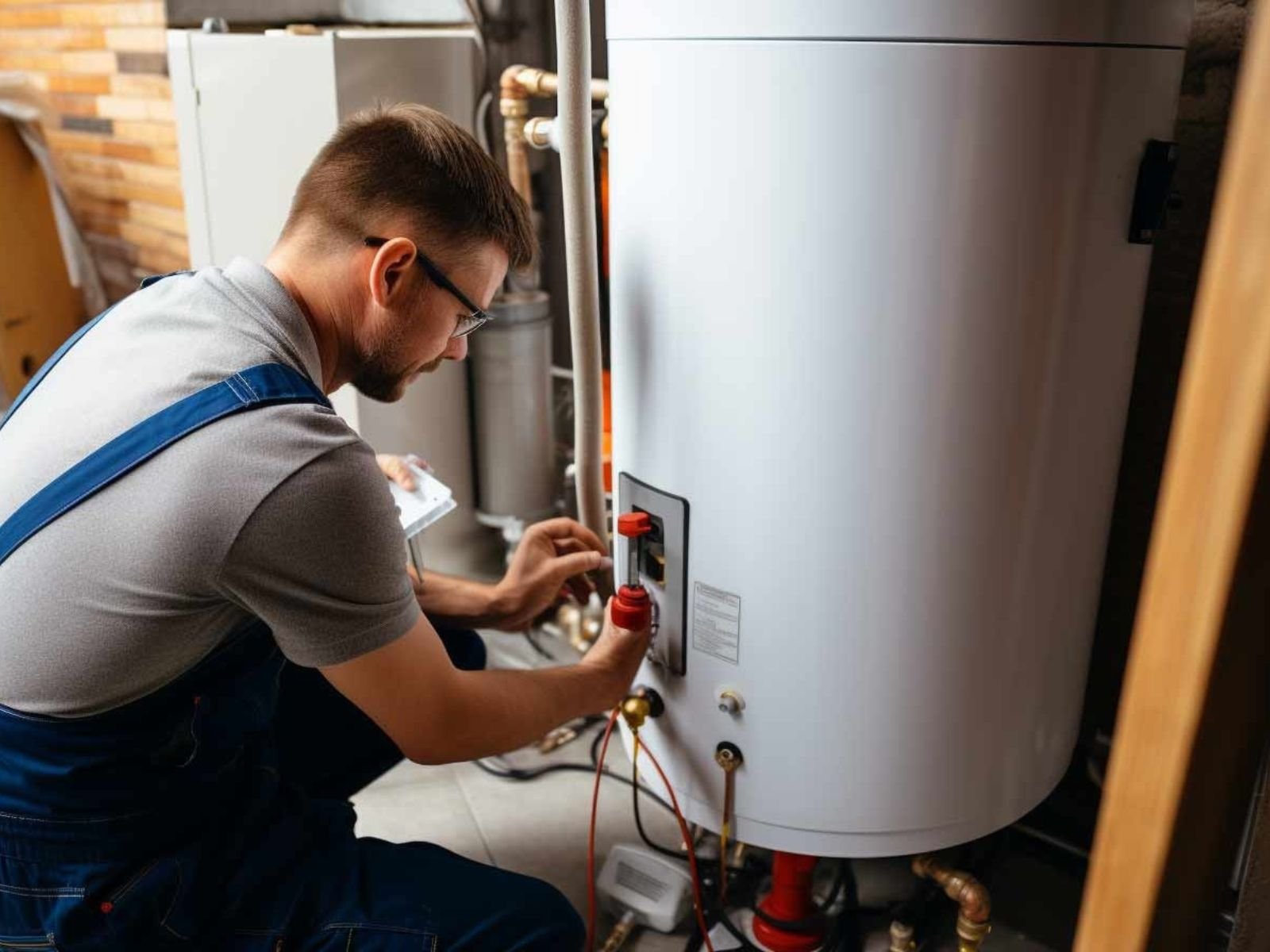
What's usually behind a failing water heater
Sediment buildup
Boca Raton's water leaves mineral sediment in the tank over time, which can insulate the burner or element and cause popping sounds and slower heating.
A failed heating element or thermostat
The most common reason for lukewarm or no hot water in an electric tank, usually a same-visit fix.
A leaking tank
Water pooling at the base, especially near the garage slab edge, often means the tank itself has failed and needs replacement rather than repair.
On gas units, a pilot light that won't stay lit is usually a failed thermocouple, a small safety sensor that shuts off gas flow if it doesn't detect a flame. That's typically an inexpensive same-visit part swap, not a sign the whole unit is failing.
When repair makes sense, and when it doesn't
A thermostat, heating element, or gas valve replacement is usually the more affordable path and can extend a tank's working life by several years. A tank that's actively leaking from the tank body itself, rather than a fitting or valve, generally can't be repaired since the steel tank has already corroded through, and that's when replacement becomes the honest recommendation rather than a temporary patch.
Most tank water heaters in South Florida's climate last 8 to 12 years. If yours is in that range and showing more than one symptom at once, replacement often costs less over time than repeated repairs.
A quick check that can save a trip
- • For electric units, check the breaker before assuming the heater itself failed.
- • For gas units, check whether the pilot light is lit and the gas supply valve is open.
- • If water is actively leaking from the tank, shut off both the water supply and power/gas to the unit.
What changes the cost
Want your real number? Call (561) 448-8545 and describe the symptoms.
Why the temperature and pressure relief valve matters
Every tank water heater is required by Florida's plumbing code, based on the International Plumbing Code (IPC), to have a working temperature and pressure relief valve. That's the small valve near the top of the tank that releases pressure if the water gets dangerously hot or the tank overpressurizes. A valve that's stuck, corroded, or missing its discharge pipe is one of the most common code violations we find during a repair visit. It's a safety issue, not just a code checkbox, since a failed valve is what allows pressure to build dangerously in the first place.
If your unit is more than five years old and the relief valve has never been tested, it's worth asking us to check it during any repair visit, even if it isn't the reason you called.
What each symptom usually points to
| Symptom | Likely cause |
|---|---|
| No hot water at all (electric) | Tripped breaker or failed heating element |
| No hot water at all (gas) | Pilot light out or closed gas valve |
| Popping or rumbling sounds | Sediment buildup at the bottom of the tank |
| Water pooling at the base | Tank leak, usually not repairable |
If it's time for a new unit
If your unit needs full replacement rather than repair, we size the new unit to your household and can quote a tankless option at the same visit. Condo owners in Highland Beach often ask about tankless specifically for the space savings.
Common questions
Often yes, if the issue is a thermostat, heating element, or valve. A leak from the tank body itself usually means the tank has corroded through and needs replacement.
Most tank units last 8 to 12 years here. Sediment buildup from local water minerals can shorten that if the tank is never flushed.
No hot water at all, or active leaking, is worth same-day attention. A slower issue like lukewarm water can usually be scheduled during normal hours.
It releases pressure if the tank overheats or overpressurizes, and Florida's plumbing code requires every tank unit to have a working one. A stuck or corroded valve is a safety issue we check on any repair visit.
Not sure if it needs a repair or a full replacement? Call (561) 448-8545 and describe the symptoms.
Ready to get this fixed? Call (561) 448-8545 and we'll get a technician on the way.