Why Your Water Bill Jumped (and How to Find the Leak)
By the Boca Raton 24/7 Plumbing team · September 17, 2026
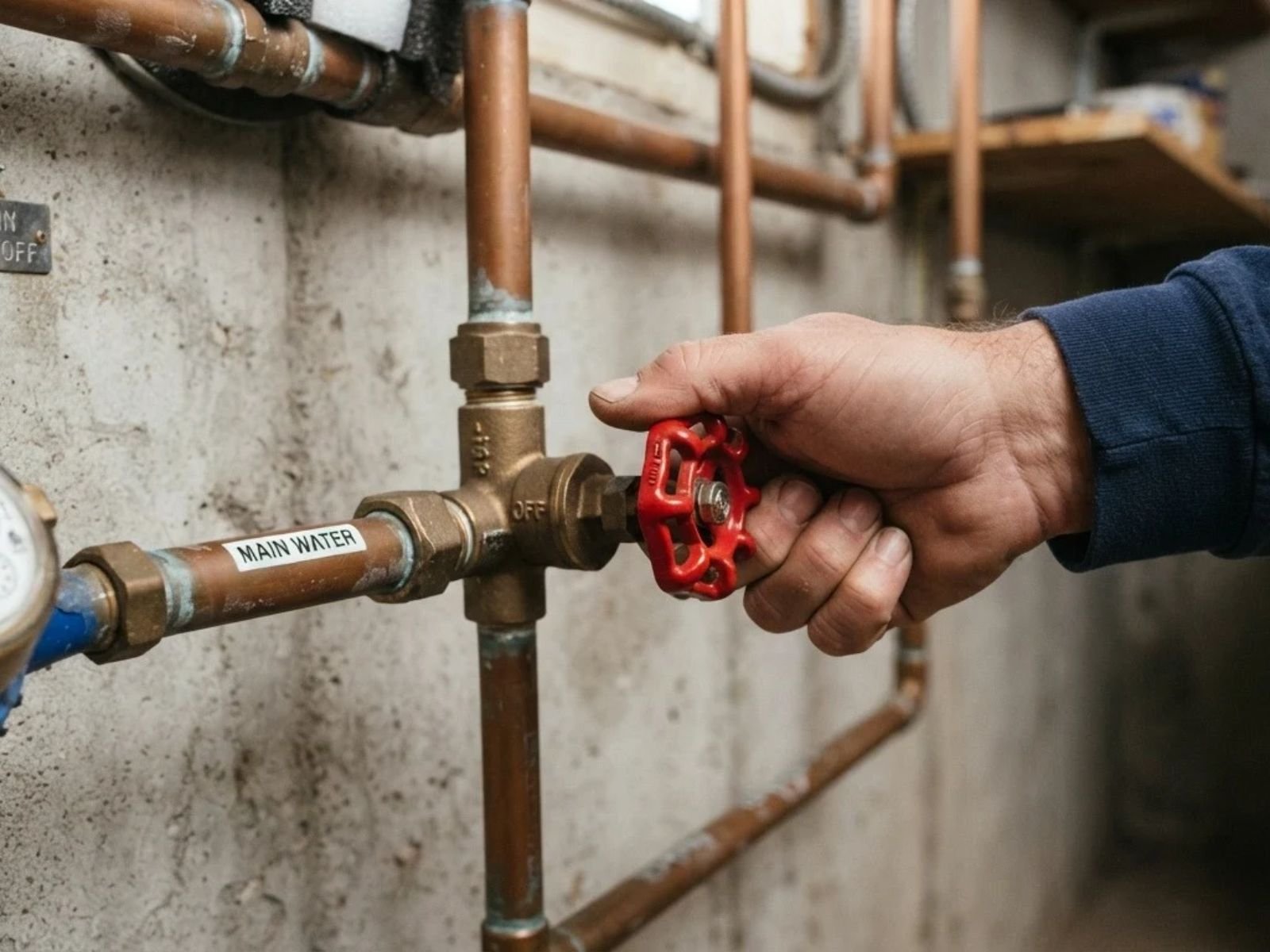
Your water bill arrived and it's noticeably higher than usual, maybe double, maybe more, and you haven't changed your habits. Nobody's filling a pool or running the sprinklers more than normal. This is one of the more common calls we get, and it almost always traces back to one of a handful of causes, most of which have nothing to do with anything you're doing wrong.
What to check before you call anyone
- • Turn off every fixture and appliance that uses water in the house.
- • Go to your water meter and check whether it's still moving or registering flow.
- • If it's moving with everything off, you have an active leak somewhere in the system.
- • If it's not moving, the high bill may be from a specific fixture or appliance rather than a leak, or from a genuine change in usage you haven't connected to the bill yet.
This test alone narrows things down significantly and takes about ten minutes, most of it just waiting to make sure nothing else is running.
Why the meter test actually works
Florida's plumbing code, based on the International Plumbing Code (IPC), requires every water meter installation to include an accessible shutoff, which is exactly what makes this test possible for most homes. The meter registers any flow passing through it. With every fixture and appliance confirmed off, any continued movement can only mean water is escaping somewhere in the system between the meter and wherever the leak actually is, whether that's under the slab, in an irrigation line, or in the underground service line itself.
The usual suspects when the meter is running
A running toilet
One of the most common silent water wasters. A worn flapper can leak water into the bowl continuously without ever overflowing or making obvious noise.
A slab leak
A supply line leaking under the concrete foundation, often showing no visible sign beyond the bill until a warm spot or damp patch eventually appears.
An irrigation line leak
If you have a sprinkler system, an underground break in that line runs continuously and can be easy to miss since it's outside and often not directly visible.
A water service line leak
The line connecting the street meter to your home can develop a leak underground, distinct from anything inside the house itself.
Checking toilets first, since it's the easiest to rule out
A simple test: put a few drops of food coloring in the toilet tank and wait 15-20 minutes without flushing. If color shows up in the bowl, the flapper is leaking. This is genuinely one of the most common causes of an unexplained bill increase, and it's also one of the cheapest fixes, a flapper replacement is a minor part swap, not a major repair.
If it's not the toilets, here's what comes next
With toilets ruled out and the meter still running, the leak is somewhere in the underground supply system, either under the slab, in the irrigation line if you have one, or in the service line between the meter and the house. This is where professional leak detection becomes worth the cost rather than a DIY guessing game. Acoustic equipment can detect the sound of water escaping under pressure, and thermal imaging can spot temperature differences caused by water moving through concrete, both without needing to dig or cut into anything first.
Trying to locate this kind of leak by guessing where to dig almost never works out well. Water can travel a real distance underground before it ever becomes visible above ground, meaning the visible symptom and the actual leak location are often not the same spot.
What about the utility company's meter reading itself?
It's worth ruling out a misread or malfunctioning meter before assuming the worst, though this is genuinely less common than an actual leak. Most utility companies, including those serving Boca Raton, can provide historical usage data on request, and a sudden, isolated spike with no clear pattern is worth flagging to them directly. That said, don't let this possibility delay actually checking for a leak, since assuming it's a meter error while an actual leak continues running only adds to the cost and potential water damage.
What a jump in usage actually costs you over time
It's worth being concrete about why this is urgent rather than a minor annoyance to get to eventually. A slab leak or service line leak running continuously can waste hundreds of gallons a day, and at typical municipal water rates, that adds up to a real, ongoing cost that compounds every day the leak continues. Beyond the direct water cost, an undetected slab leak is also doing damage the whole time. Water finding its way up through concrete eventually affects flooring, and a leak that's been running for weeks or months before detection often means more extensive repair than one caught early.
Irrigation systems deserve their own mention
If you have a sprinkler system, it's worth checking separately from the household plumbing. Irrigation lines run on their own schedule, and a leak there can go unnoticed for a long time if you're not paying close attention to how long zones run or how wet the yard looks after a cycle. An unusually soggy patch of lawn, especially one that stays wet well after the irrigation system last ran, is worth investigating. Some irrigation systems have a separate meter from the household supply, in which case a leak there won't even show up on your main water bill test, so check both if you have a dedicated irrigation meter.
Ready to find out what's actually happening?
Our leak detection service uses acoustic and thermal equipment to pinpoint underground leaks without guesswork, and if the culprit turns out to be a slab leak specifically, that page covers the repair options in more detail. This is one of the most common calls across our whole service area, including Boynton Beach's 1970s-era homes where original copper lines are now well past 45 years old.