Why Do Boca Raton Homes Get Slab Leaks?
By the Boca Raton 24/7 Plumbing team · September 17, 2026
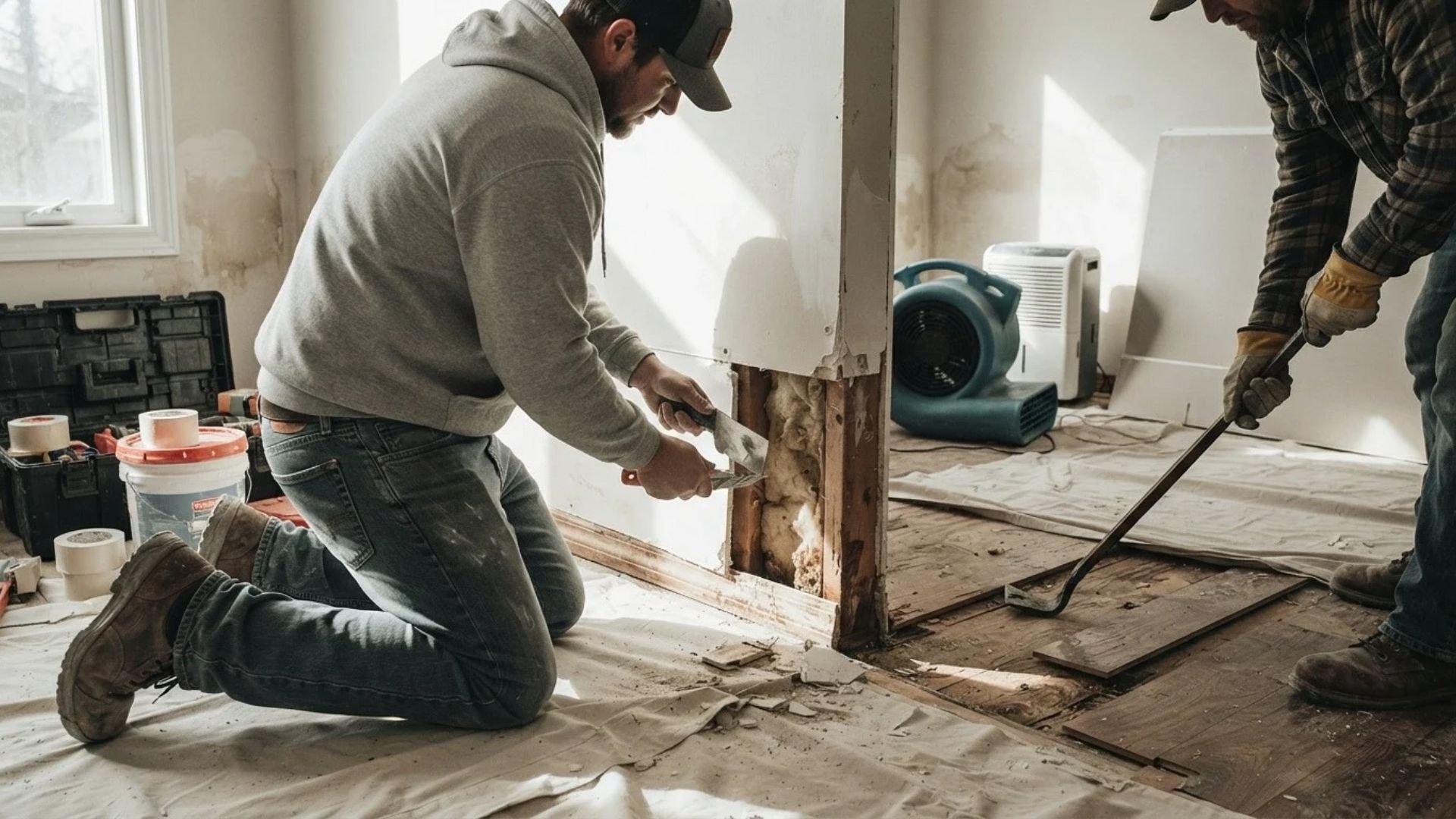
A warm spot on the tile floor. A water bill that jumped for no obvious reason. A faint hissing sound when the house is quiet at night. If you've noticed any of these in a Boca Raton home, there's a decent chance you're dealing with a slab leak, and it's a problem that's genuinely more common here than in a lot of the country.
Slab-on-grade construction is the starting point
Most homes in South Florida, Boca Raton included, are built slab-on-grade, meaning the foundation is a solid concrete slab poured directly on the ground, with no basement or crawlspace underneath. Water supply lines often run through or under that slab rather than through a basement ceiling the way they might in a colder-climate home. When a supply line develops a leak, the water has nowhere obvious to go except up through the concrete, or laterally under it, sometimes for weeks before it surfaces as a visible sign.
This is different from a typical leak behind a wall, where you might notice a stain on drywall relatively quickly. A slab leak can run quietly for a long time before it shows up as a warm spot, a damp patch of carpet, or a mysteriously high water bill.
Why older copper lines are the usual culprit
Homes built from the 1960s through the 1980s in Boca Raton were commonly plumbed with copper supply lines run under the slab. Copper is a durable material, but decades of contact with soil, combined with the specific water chemistry running through it, can corrode the pipe from the outside in. Once a pinhole opens, the water pressure inside the line pushes water out under pressure, and it finds the path of least resistance, sometimes straight up through the slab, sometimes sideways under it toward a lower point.
Hot water lines fail more often than cold ones in this scenario, since the heat cycling accelerates the corrosion process. That's part of why a warm spot, rather than a cold damp one, tends to be the first sign a lot of homeowners notice.
What to check before you call anyone
- • A warm patch on an otherwise cool tile or concrete floor, especially if it's not near a window or in direct sun.
- • A water bill that's noticeably higher than usual with no obvious change in household water use.
- • The sound of running water when every fixture in the house is off.
- • A damp or discolored patch of carpet or flooring with no visible source above it.
- • Mold or a musty smell in a room with no other obvious water source.
Why guessing where to dig is a bad idea
It's tempting, once you suspect a slab leak, to just start looking for where to break into the concrete. This almost never works out well. The point where water surfaces isn't necessarily the point where the pipe actually failed, water can travel a surprising distance under a slab before finding a path upward, so digging at the visible symptom often means digging in the wrong spot entirely.
Professional leak detection uses acoustic listening equipment and, in some cases, thermal imaging to pinpoint the actual location of the leak before anyone opens up the floor. This turns a potentially large, expensive exploratory process into a targeted repair at a known location.
Spot repair or reroute: the two honest options
Once the leak is located, there are generally two paths forward. A spot repair opens a small, specific section of slab to fix that particular point in the line, and it's the less expensive option upfront. Rerouting sends a new line above the slab entirely, typically through the attic or an exterior wall, so it never runs under concrete again. Rerouting costs more initially but avoids the risk of another leak developing somewhere else along an aging line that's already shown one failure point.
Neither option is universally "right." A home with one confirmed leak and otherwise sound copper elsewhere is often a good candidate for a spot repair. A home on original 1970s or 80s copper that's already had more than one slab leak is a stronger case for rerouting, since the underlying pipe age is the real issue, not just the one confirmed leak.
What a slab leak repair actually costs to think about
Cost varies enough by situation that any specific number would be misleading, but the real drivers are worth understanding. Flooring type over the leak matters: tile or stone generally costs more to cut into and restore than carpet or vinyl. Access matters too, a leak under an open living room floor is more straightforward than one under a load-bearing interior wall footing. And the repair method itself, spot repair versus full reroute, is the single biggest cost variable, since rerouting involves running an entirely new line rather than opening one small section of slab.
Insurance is a common point of confusion here. Many homeowner's policies cover the water damage a slab leak causes, warped flooring, damaged drywall, but not the cost of repairing the pipe itself. It's worth checking your specific policy's language on this rather than assuming either way, since coverage genuinely varies by carrier and policy type.
Can a slab leak be prevented?
Not entirely, pipe corrosion under a slab is largely a function of age and water chemistry, factors outside a homeowner's day-to-day control. But there are things worth doing if your home is in the higher-risk window. If your copper lines are approaching 40-50 years old and you haven't had a leak yet, a proactive leak detection sweep can sometimes catch a very early pinhole before it becomes a bigger problem. At minimum, it gives you an honest sense of how much time you likely have before repiping becomes the more sensible move than repeated spot repairs. Any repair beyond a simple spot fix, including a full reroute, still needs to meet Florida's plumbing code, based on the International Plumbing Code (IPC), and typically requires a permit either way.
What this means if you're dealing with it right now
If you're seeing any of the signs above, the first step isn't picking up a jackhammer, it's getting the leak's actual location confirmed. Our leak detection service uses acoustic and thermal equipment to pinpoint the source before any concrete gets opened, and once that's done, slab leak repair covers the spot-repair-versus-reroute decision in more detail. This is a call we get often from Boynton Beach homeowners whose properties date to that same 1970s building boom.