Sewer Camera Inspection in Boca Raton, FL
Before spending money on a repair, a camera run through the line shows exactly what's wrong, root intrusion, a cracked joint, a bellied section, or nothing structural at all, so the fix matches the actual problem.
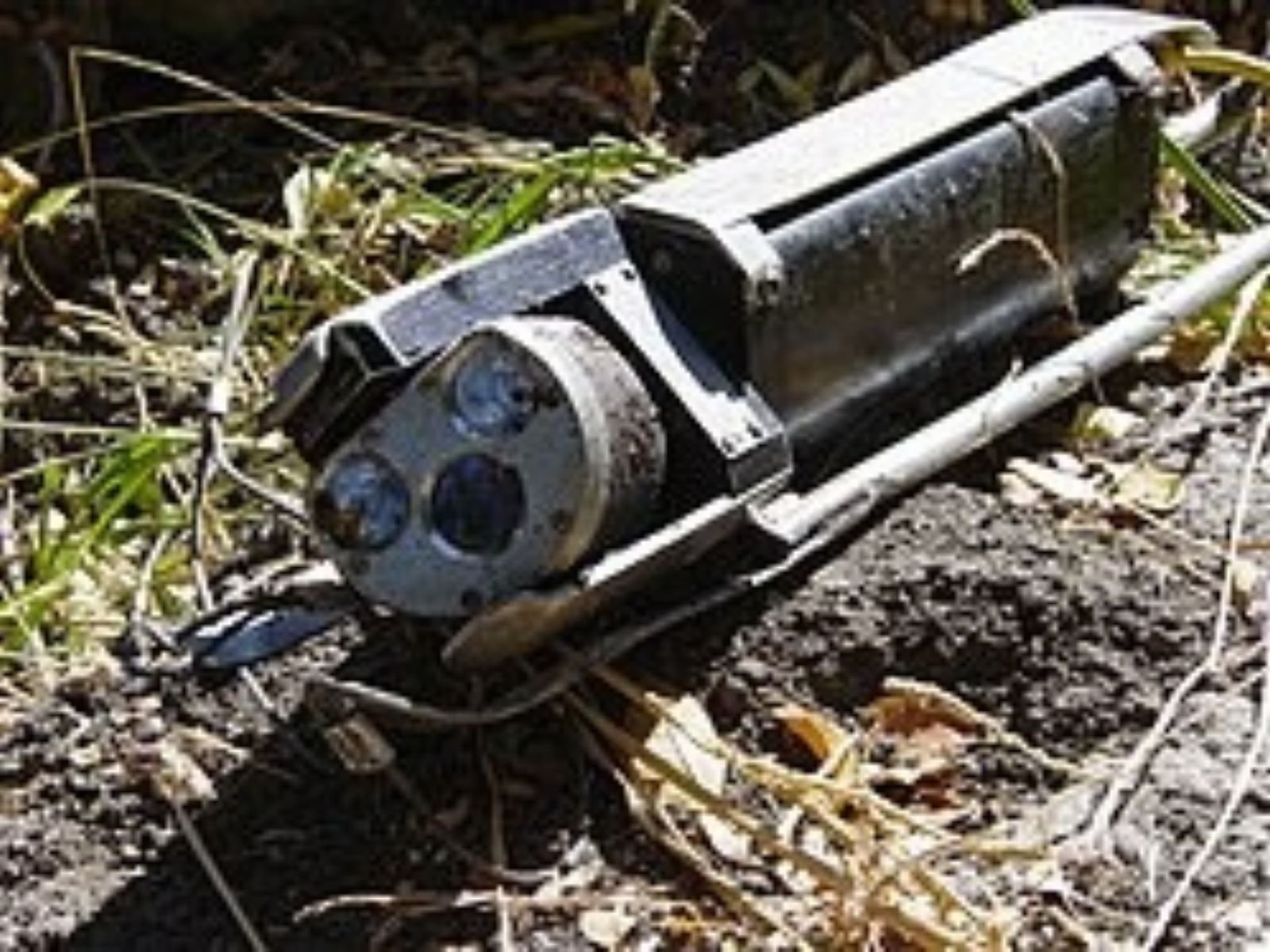
Seeing inside the pipe instead of guessing
Nobody calls asking for a "sewer camera inspection" by name. They're looking for an estimate on a sewer repair, or they want to know why a line keeps clogging, or a home inspector or real estate transaction requires a look at the sewer lateral before closing. A waterproof camera on a flexible cable runs through the line and records exactly what's inside, giving a distance and often a compass reading to any problem found, which is what lets a repair crew dig or line only the section that actually needs it.
Florida's plumbing code, based on the International Plumbing Code (IPC), doesn't require a camera inspection for routine service. Many municipal building departments, including areas within Palm Beach County, do require one as part of a sewer lateral permit application when a repair or replacement is being permitted, since it documents the existing condition.
The situations that call for a camera first
Recurring clogs
A line that clogs repeatedly in the same spot, even after snaking or jetting, usually has a structural cause worth confirming.
Pre-purchase inspection
Older homes, especially those with original clay or cast iron laterals, benefit from a camera check before closing on a sale.
Before major landscaping
Knowing the exact line path and depth avoids accidentally damaging it during a hardscape or tree-planting project.
A camera can also confirm whether a line has been misaligned or "bellied," meaning a section has sunk and now holds standing water even when nothing is clogged, a condition that usually doesn't show up on a snake but is clearly visible on camera footage.
What to check first
- • Know roughly where the exterior cleanout is, if one exists, since that's usually the camera's entry point.
- • For a real estate transaction, confirm the timeline so we can schedule before closing.
- • Mention if the line has a known history of clogs so we know where to focus.
What changes the cost
Want your real number? Call (561) 448-8545 and let us know the reason for the inspection.
Reading the footage
A trained eye on the footage is checking for a handful of specific things: root hair intrusion at joints, standing water indicating a bellied section, offset or separated joints, cracks or breaks in the pipe wall, and grease or scale buildup restricting flow. We narrate what we're seeing in real time and can pause on anything worth a closer look, rather than handing over raw footage with no explanation.
For a real estate transaction specifically, the report typically notes the pipe material found, its approximate age, and any defects with their distance from the access point. The result is an overall condition assessment giving both buyer and seller a clear, documented picture rather than a verbal summary alone.
If a defect is found, we can generally provide a rough repair estimate on the spot based on what the footage shows, though a firm quote usually follows a closer look. Questions before scheduling? Call (561) 448-8545.
Common questions
Yes, we can provide recorded footage and a written summary, which is especially useful for real estate transactions or insurance documentation.
Most residential lines take under an hour, depending on length and how many access points are available.
It's the basis for an accurate estimate rather than a replacement for one; once we see the actual problem, we can quote the specific repair needed.
Yes, particularly before buying an older home or before major landscaping work near the line's known path.
Ready to see what's actually going on? Call (561) 448-8545.
Once we know what's wrong
If the camera finds root intrusion or debris rather than a structural break, hydro jetting may solve it without any digging. If it finds a genuine break or collapse, sewer line repair is scoped from the exact footage rather than a guess. Real estate inspections in Highland Beach's older condo buildings often call for this on the shared building lateral, not just an individual unit's line.