Hard Water in Boca Raton: Is a Softener Worth It?
By the Boca Raton 24/7 Plumbing team · September 17, 2026
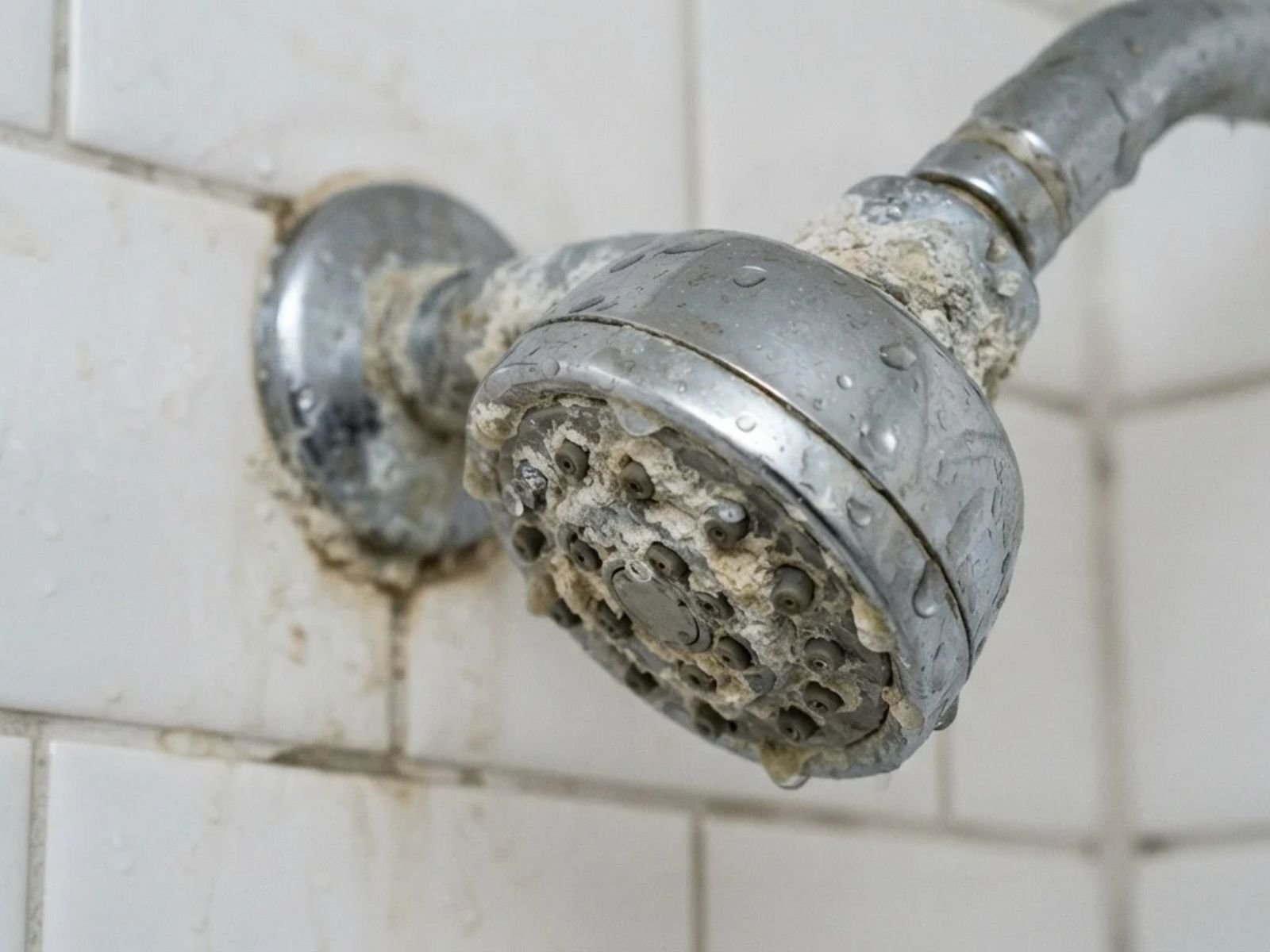
Cloudy dishes fresh out of the dishwasher. Soap that never quite lathers the way it did somewhere else you've lived. A white, crusty buildup around your showerhead and faucets. If any of this sounds familiar, you're noticing Boca Raton's water hardness, and the question that usually follows is whether a softener is actually worth the cost and the maintenance.
Why South Florida's water is hard in the first place
Most of South Florida, Boca Raton included, draws its municipal water from the Biscayne Aquifer, a shallow limestone aquifer that sits under much of the region. As water moves through limestone, it naturally dissolves calcium and magnesium, the minerals responsible for what we call "hard" water. This isn't a treatment failure or a sign of anything wrong with the water supply, it's simply a function of the geology the water passes through before it reaches your tap.
Boca Raton's water lands in the moderately hard range by most water-hardness scales, noticeable in daily life but not nearly as extreme as the very hard well water found in some other parts of the country.
What hard water actually does over time
- • Leaves visible mineral scale on faucets, showerheads, and glass shower doors.
- • Reduces soap and detergent effectiveness, meaning you use more to get the same clean.
- • Can leave skin feeling dry and hair feeling less clean after washing.
- • Gradually builds scale inside water heaters and appliances, reducing efficiency over time.
- • Shortens the working life of fixtures and appliances that rely on internal moving parts exposed to water.
The case for installing a softener
A whole-home water softener addresses hardness at the source, treating water before it reaches any fixture in the house. Beyond the daily comfort improvements, the appliance-protection angle is worth taking seriously. A tankless water heater, in particular, is genuinely more vulnerable to scale buildup than a standard tank unit, since the heat exchanger inside a tankless unit has much less surface area and scales up faster. If you already have or are considering a tankless system, a softener is one of the more direct ways to extend its working life and reduce how often it needs professional descaling.
Dishwashers, washing machines, and coffee makers all show measurably less scale buildup and often run more efficiently on softened water too, which is a less dramatic but real everyday benefit.
The honest downsides worth knowing
A softener isn't maintenance-free. It needs regular salt refills in the brine tank, and depending on household size and water usage, that might mean checking and refilling every few weeks to a couple of months. Softened water also has a slightly higher sodium content, generally negligible for most people but worth mentioning to your doctor if you're on a strict sodium-restricted diet. And there's an upfront cost and ongoing operating cost that needs to be weighed against how much the hardness is actually bothering you day to day.
Some people also report a "slippery" feeling from softened water that takes a bit of adjustment, since soap rinses differently without the mineral content interfering with lather. It's not a sign anything's wrong, just a different sensation than what you might be used to.
Is it actually worth it?
For most Boca Raton households, the answer comes down to how much the visible effects of hard water actually bother you and whether you're trying to protect a tankless water heater or other water-sensitive appliance. If scale buildup, reduced soap lather, and dry skin are genuinely affecting your daily experience, a softener addresses all of that directly. If hard water is more of a minor annoyance you've mostly gotten used to, the ongoing maintenance and cost might not feel worth it, and that's a completely reasonable conclusion too.
There's no universally right answer here, it really is a personal cost-benefit call, and it's fine to decide either way based on your own priorities rather than a hard rule about what every home in the area "should" have.
What about a filtration system instead of a softener?
It's worth being clear about a distinction that trips a lot of people up: a water softener treats hardness specifically, calcium and magnesium, and a separate whole-home filtration system typically addresses different concerns like chlorine taste and odor, sediment, or specific contaminants. They solve different problems and aren't interchangeable, though some systems combine both functions. If your main complaint is taste or smell rather than scale buildup and soap performance, a filtration system might be the more relevant fix, or you might want both depending on what's bothering you.
Renters and condo owners: check before you install
If you're renting or in a condo, a couple of things are worth checking before committing to a softener. Some buildings already have a shared or building-level softening system that individual units tap into, so it's worth confirming with your building or landlord before assuming you need your own unit. And if you do need your own, some HOAs have specific rules about softener discharge, particularly in buildings with shared drain stacks, which is worth clearing with your association before installation rather than after.
For a rental specifically, check your lease before installing anything that involves a permanent plumbing modification, since a softener typically ties into the main water line and isn't something you'd want to install without your landlord's knowledge.
If you're leaning toward yes
Our water softener installation and repair page covers sizing considerations and what installation actually involves in more detail. If you already have a system that's underperforming or acting up, that page also covers the common repair scenarios. This comes up often for Delray Beach residents in the western 55+ communities, where softeners are already common and questions tend to be about repair or upgrade rather than a first install.
Whatever you decide, it's not an irreversible choice. A softener can be added later if you decide the hardness bothers you more than expected, and one can be removed or bypassed if it turns out not to be worth the upkeep for your household.