Preparing Your Boca Raton Plumbing for Hurricane Season
By the Boca Raton 24/7 Plumbing team · September 17, 2026
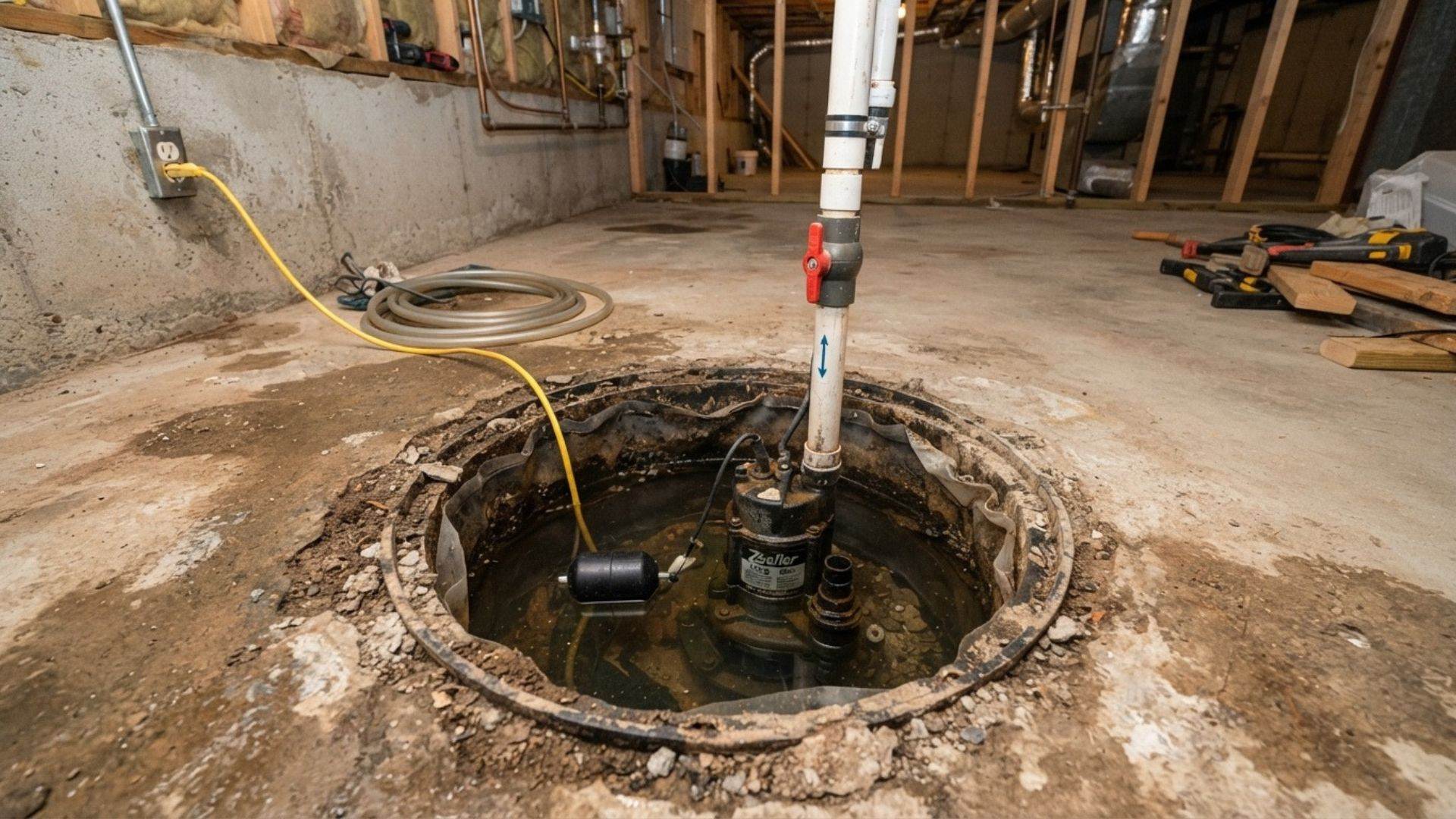
Hurricane prep lists tend to cover the obvious things, shutters, generators, water and food supplies, but plumbing rarely gets its own section even though a few plumbing-specific steps can meaningfully reduce your risk during and after a storm. Here's what's actually worth doing before the season gets underway.
Know where your main shutoff is, and make sure it works
This is the single most useful thing to confirm before hurricane season, and it takes five minutes. Locate your main water shutoff valve, typically near the water meter at the street or inside a utility closet or garage for many Boca Raton homes and condos, and actually turn it to confirm it moves freely. Florida's plumbing code, based on the International Plumbing Code (IPC), requires an accessible shutoff for every residential water service, so if you genuinely can't find or reach yours, that's worth having addressed on its own. A valve that's seized from years of not being touched can fail exactly when you need it most, during an active leak with a storm already underway and help harder to reach.
If the valve is stiff, corroded, or you're not confident it fully shuts off water, get it serviced now rather than discovering the problem during an emergency.
Sump pump safety checklist
- • Test the pump by pouring water into the pit and confirming it activates and drains properly.
- • Check that the float switch moves freely and isn't obstructed by debris.
- • If you don't have a battery or water-powered backup, consider adding one; power loss during a storm is the single most common reason a sump pump fails exactly when it's needed.
- • Clear the discharge line's exit point outside so pumped water actually drains away from the foundation.
Inspect exposed pipes and connections
Walk your property and look at any exposed plumbing, hose bibs, exterior connections, and anything visible in a garage or utility area. High winds can stress connections that are already marginal, and flying debris during a storm can damage anything left exposed and unprotected. If you have outdoor fixtures that aren't in regular use, consider whether they need to be capped or protected before a major storm is forecast.
Understand your water heater's situation
If a power outage is expected, an electric water heater simply won't heat during the outage, not usually a plumbing emergency, just an inconvenience. But if flooding is a realistic risk for your property, a water heater positioned low, in a garage or ground-level utility closet, can be damaged by rising water. There's not always a practical way to prevent this if flooding is severe, but knowing this risk exists helps you make informed decisions about what to protect versus what to accept as a possible loss.
Have a plan for after the storm, not just during it
A lot of storm-related plumbing damage doesn't show up until after the wind and rain stop. Once it's safe to do so, check for signs of water intrusion around windows, doors, and the roofline, and don't assume everything's fine just because nothing looks obviously wrong from a quick glance. If you lost power for an extended period, check on any sump pump that couldn't run during the outage, standing water in a normally-dry area can develop mold faster than people expect in South Florida's post-storm humidity.
Keep your plumber's number somewhere accessible that doesn't depend on your phone having signal or power, written down, not just saved in a phone that might die. After a major storm, emergency plumbing calls spike quickly, and having your situation described clearly and ready to go when you do reach someone speeds up response.
What to check before the season even starts
June through November is Florida's official hurricane season, but the smart approach is treating May as your real deadline for plumbing prep, since a storm can form and make landfall faster than most preparation timelines account for. Beyond the shutoff valve and sump pump checks already covered, this is a reasonable time to schedule a whole-home leak detection sweep if your home is on original copper or galvanized supply lines. A slow leak that's been building for months is exactly the kind of thing a major storm's added stress, power surges and water pressure fluctuations, can push into a full failure.
If your water heater is nearing the end of its typical 8-12 year working life, replacing it proactively before hurricane season is worth considering. Waiting until during or right after a storm, when contractors are booked solid and parts may be harder to source quickly, is a much harder position to be in.
Condo and townhome-specific considerations
If you're in a condo or townhome, hurricane plumbing prep involves your building's systems as much as your own unit. Ask your HOA or property management about the building's sump pump and drainage systems, whether they have backup power, and what the building's post-storm inspection process looks like. A shared riser or common-area plumbing issue during a storm has a different response path than something isolated to your unit, and knowing that process before a storm hits, rather than during one, saves real time and confusion.
It's also worth asking whether your building has a standing arrangement with a plumbing contractor for emergency response. A property that's already vetted and set up with a provider tends to get faster attention during the post-storm surge in emergency calls than one starting from scratch.
If you're getting ready now
Our sump pump installation and repair team can test an existing system or install one with backup power before the season starts. If a storm has already caused water intrusion, water mitigation handles the emergency extraction and containment, and water damage restoration covers the full drying and repair that follows. This kind of proactive check comes up often with Deerfield Beach residents near the canals, where storm surge risk is a real seasonal concern.
None of this needs to happen all at once. Spreading these checks out over a weekend or two before June gives you time to actually address anything that turns up, rather than discovering a problem the week a storm is already forecast.