Toilet Running Nonstop? Here's What's Actually Wrong
By the Boca Raton 24/7 Plumbing team · September 17, 2026
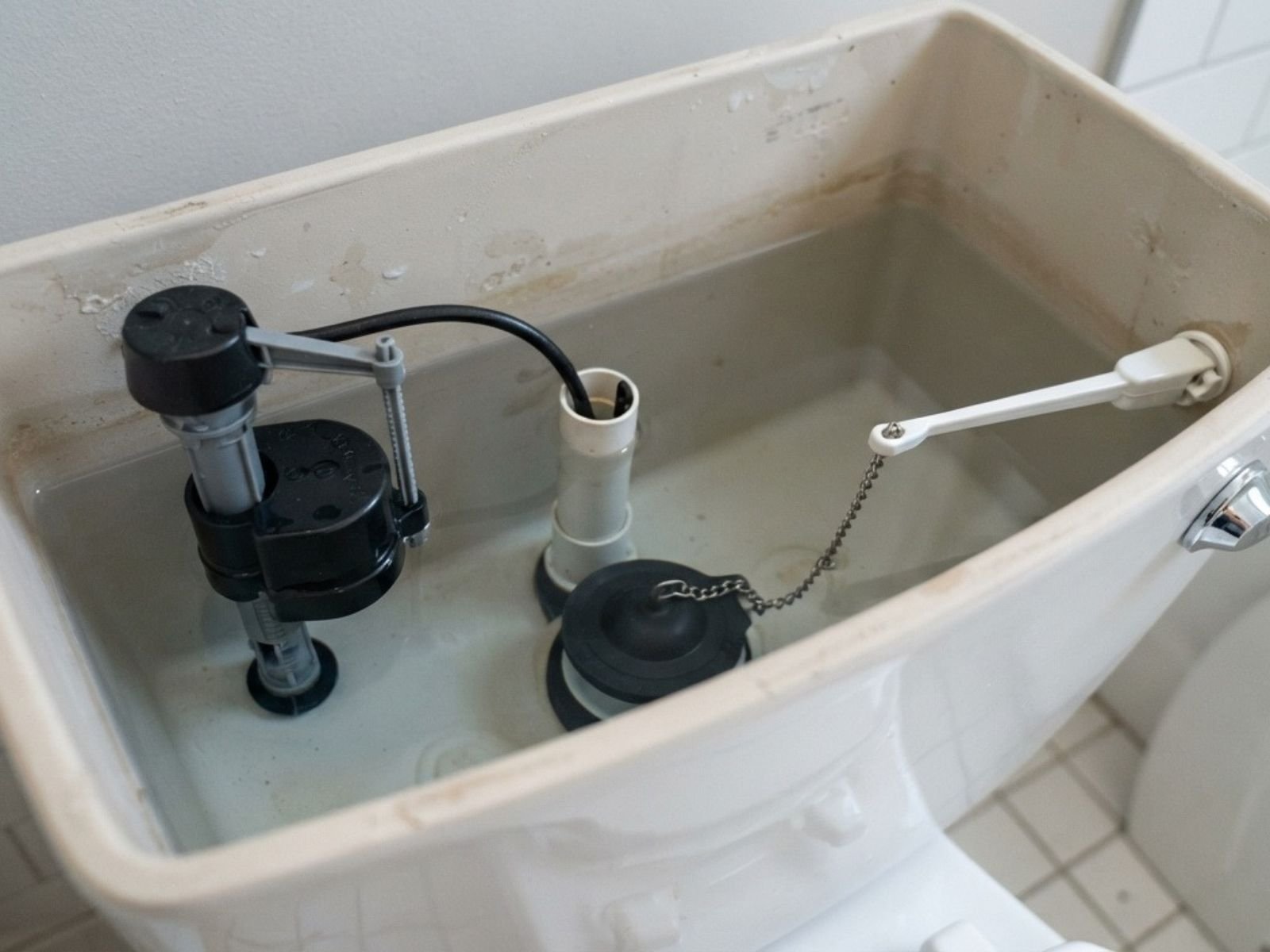
That faint hissing sound from the bathroom that never quite stops, or the tank that seems to refill every few minutes even though nobody's used it, is one of the most common plumbing complaints there is. It's also one of the easiest to actually diagnose yourself before deciding whether you need a repair visit or just a cheap replacement part.
Understanding what's actually inside the tank
A standard toilet tank has two main components worth knowing about. The fill valve controls water coming into the tank from the supply line. The flapper is a rubber or silicone seal at the bottom of the tank that opens when you flush and should seal shut afterward, holding water in the tank until the next flush. A running toilet almost always traces back to one of these two parts, or occasionally the water level itself being set wrong.
The dye test: the fastest way to confirm a flapper leak
- • Remove the tank lid and add a few drops of food coloring or a dye tablet to the tank water.
- • Wait 15-20 minutes without flushing.
- • Check the toilet bowl. If color has appeared there, the flapper is leaking and letting tank water into the bowl.
- • If no color appears in the bowl but you still hear running water, the issue is more likely the fill valve rather than the flapper.
If it's the flapper
Flappers degrade over time, the rubber or silicone hardens, warps, or develops small gaps that let water seep past even when it looks closed. This is one of the cheapest and easiest plumbing parts to replace, most hardware stores carry universal flappers, and the swap generally takes a few minutes once the water supply to the toilet is shut off. If you're not comfortable doing it yourself, it's a quick, inexpensive service call, and matching the exact flapper model to your toilet brand sometimes makes a noticeably better seal than a generic universal replacement.
If it's the fill valve
A fill valve problem usually shows up as water that keeps running well past when the tank should be full, or a valve that never fully shuts off. Sometimes this is simply the water level set too high, with the overflow tube constantly draining excess water, in which case adjusting the float can solve it without replacing anything. Other times the valve mechanism itself has worn out and needs replacement, a slightly more involved fix than a flapper but still a manageable one.
Check where the water level sits relative to the marked fill line or the top of the overflow tube. Water sitting above that line, running continuously into the overflow, points toward a float adjustment or fill valve issue rather than the flapper.
What Florida's plumbing code has to do with any of this
Florida's plumbing code, based on the International Plumbing Code (IPC), sets minimum water-efficiency standards for toilets sold and installed today, which is part of why replacement parts for a toilet installed decades ago sometimes don't perform quite the same as the original. A modern low-flow fill valve or flapper is designed around a lower overall water volume than an older, pre-1994 toilet was built to use. A straight parts swap on a very old unit can occasionally need a slightly different approach than simply grabbing whatever's on the shelf at the hardware store.
A note on toilets that run only occasionally
Not every running toilet runs constantly. Some only run intermittently, a few seconds of water flow every so often even when nobody's used it. This is usually still a flapper or fill valve issue, just a slower or more intermittent version of the same underlying problem. A flapper that mostly seals but occasionally lets a small amount through, or a fill valve with a slow drip past a worn seat, both fit this pattern. The dye test still works for this version, it just might take a bit longer to see color appear in the bowl since the leak rate is lower.
Why this is worth fixing sooner rather than later
A running toilet isn't usually an emergency, it won't flood your bathroom, but it can waste a genuinely significant amount of water over time, sometimes hundreds of gallons a day for a bad enough leak. That shows up on your water bill whether or not you've noticed the sound, and if you've been wondering why your bill jumped without an obvious cause, a running toilet you'd tuned out is a common, easily overlooked answer. Multiple bathrooms in a larger home compound this quickly if more than one toilet has a slow leak at the same time.
When it's more than a simple part swap
If you've replaced the flapper and fill valve and the toilet still runs, that points toward something beyond a simple internal-parts fix. The same is true if the toilet also rocks, leaks at the base, or has other symptoms alongside the running issue. A cracked tank, a bad wax ring, or an issue with the toilet's overall condition is worth a professional look rather than another part swap.
Ready to get it fixed?
Our toilet repair and installation page covers both quick part replacements and full toilet swaps if yours is old enough to warrant an upgrade. If you're also seeing rocking or leaking at the base, that's covered there too. This is one of the most frequent calls across Boynton Beach's older east-side homes, where original 1970s-era toilets are finally reaching the end of their practical service life.
Either way, a quick heads-up on symptoms before we arrive helps us bring the right parts on the first visit rather than needing a return trip. Let us know if it's running constantly or intermittently, whether you've already tried the dye test, and about any other issues like rocking or a slow bowl refill.