Septic Tank Pumping in Boca Raton, FL
Most of Boca Raton proper is connected to the municipal sewer system, so septic tanks are the exception here rather than the rule, but they're still real for a real number of older properties and pockets of unincorporated Palm Beach County near the city's edges.
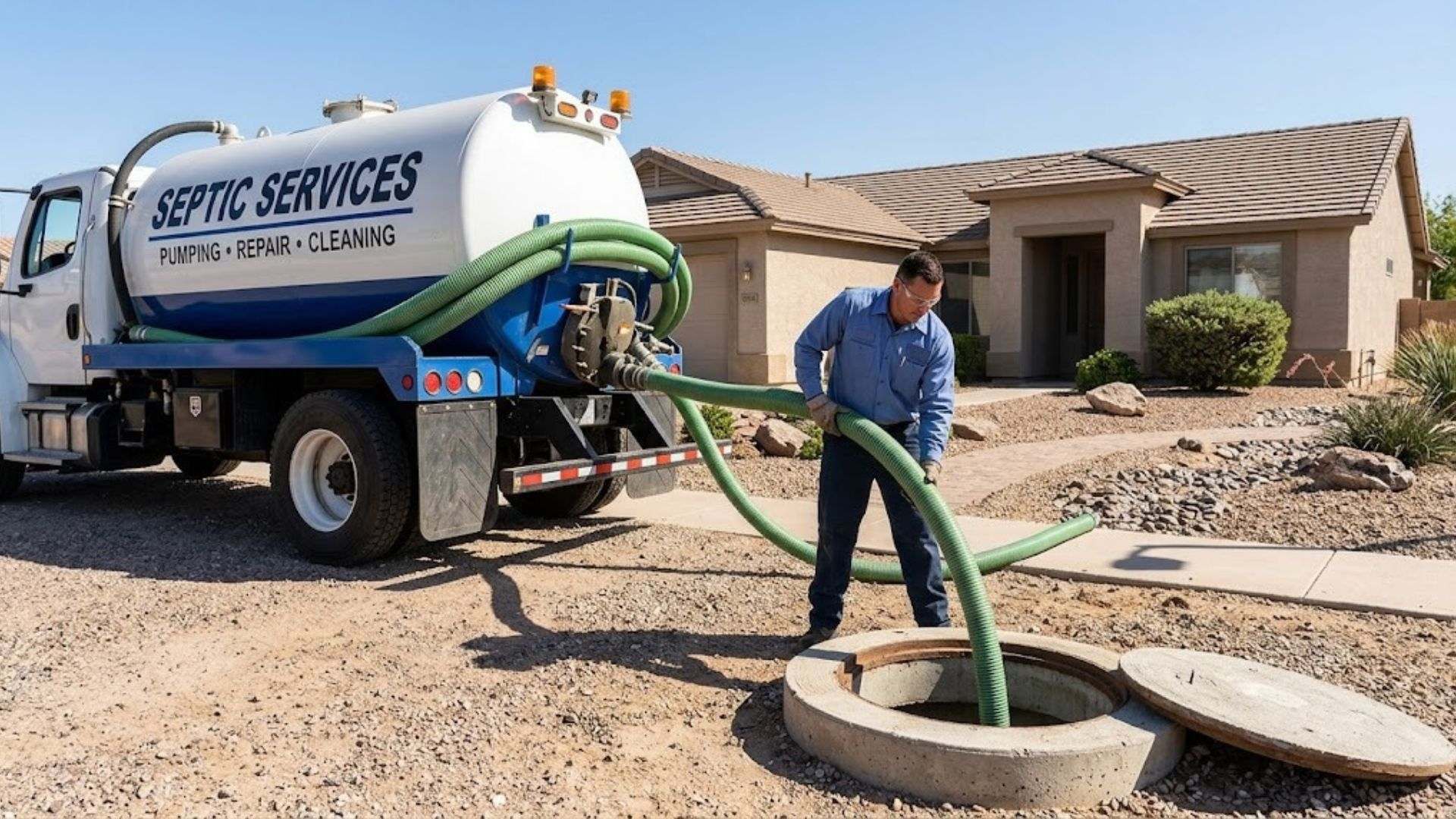
If you're not sure whether you're on septic or sewer
If your property was built before the surrounding area was connected to municipal sewer, or sits in an unincorporated pocket that never got a sewer line extension, it may still be on a septic system. That's worth confirming with the Palm Beach County Health Department's records if you're unsure, since septic and sewer aren't always obvious from the outside. If you are on septic, regular pumping every 3-5 years is the single most effective way to avoid a backup or a costly drain field failure.
Florida's Department of Health, not the plumbing code itself, regulates septic system permitting and inspection standards statewide, which is a different regulatory path than the municipal sewer connections most Boca Raton properties use.
Because septic ownership is genuinely uncommon within Boca Raton's incorporated limits, we're upfront that this service applies to a smaller slice of local properties than most of what we do, and we'd rather say so than pretend otherwise. If you're on septic, though, it's a real system that still needs real maintenance.
What to watch for
Slow drains throughout the house
When every drain runs slower than usual at once, a full tank is a common cause, distinct from a local clog.
Sewage odor near the tank or drain field
A smell outdoors near the tank location often means it's overdue for pumping.
Standing water over the drain field
Pooling water in the yard over the drain field area can indicate the system is overwhelmed.
What to check first
- • Know roughly when the tank was last pumped, if you have records.
- • Locate the tank's access point if you know it; it speeds up the service visit.
- • Avoid running excessive water (laundry, dishwasher) until the tank is serviced if you suspect it's full.
If you're a new homeowner and inherited a septic system with no service history, treating it as overdue for pumping is a reasonable default until you can confirm the actual schedule from prior owner records or the health department.
What changes the cost
Want your real number? Call (561) 448-8545 and let us know when it was last serviced.
What actually protects it long-term
The drain field, not the tank itself, is usually the most expensive part of a septic system to replace, and regular pumping is what protects it. Solids that overflow from a neglected tank travel into the drain field and clog the soil's ability to absorb wastewater, a problem that pumping alone can't reverse once it's happened. Avoiding heavy vehicles or new construction over the drain field area, and keeping tree roots away from it, are the other two factors most within a homeowner's control.
South Florida's high water table adds another wrinkle: a drain field that's borderline saturated during the dry season can fail outright during the rainy season, when groundwater rises closer to the surface and leaves less room for the system to properly absorb wastewater.
Common questions
Check your property records or contact the Palm Beach County Health Department, which maintains septic system records for the county. Older or unincorporated properties are more likely to be on septic.
Generally every 3-5 years, though household size and water usage can shift that timeline in either direction.
Solids can overflow into the drain field, which is a far more expensive repair than routine pumping and can require drain field replacement.
Yes, a basic drain field check can be added to a pumping visit to catch early signs of saturation before they become a full failure.
Ready to schedule service? Call (561) 448-8545.
Not on septic after all?
If it turns out your property is on municipal sewer, sewer line repair and camera inspection are the equivalent services for that system. Not sure which applies to you? Call (561) 448-8545 and we'll help you figure it out.